
Why TSMC Is Turning to GlobalFoundries for AI Packaging
Bottom lineTSMC’s silicon-interposer agreement with GlobalFoundries points to a more distributed AI packaging supply chain. Its value will depend on qualified output, useful capacity and the economics of the 2028 ramp.
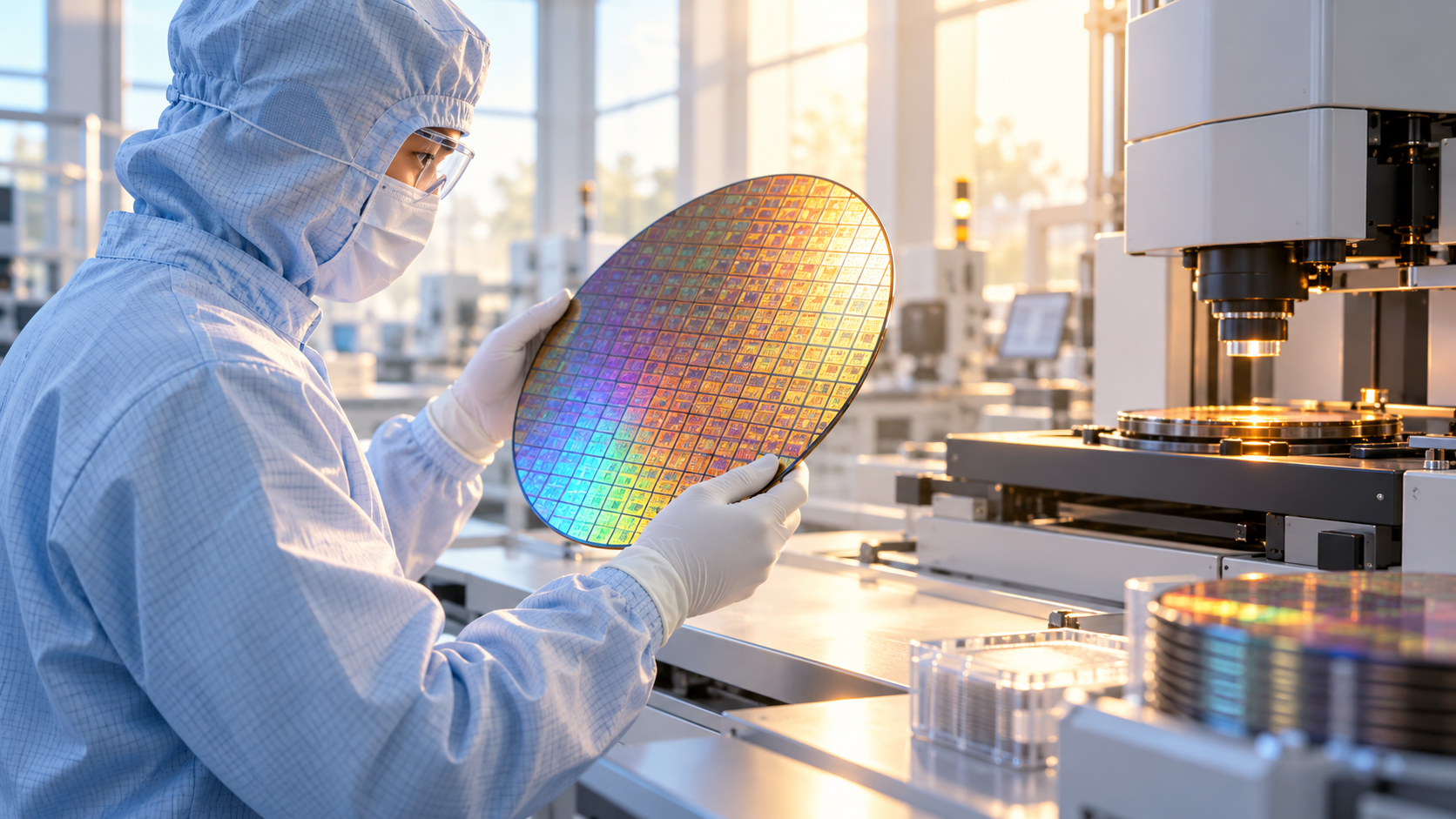
TSMC’s agreement with GlobalFoundries puts a less visible part of AI hardware in the spotlight: the silicon interposer that helps connect the chips inside an advanced package. For suppliers, the opportunity is increasingly about delivering the components that allow expensive compute and memory to work together at scale.
On October 8, GlobalFoundries announced a US$2 billion manufacturing agreement to supply silicon interposers for TSMC’s CoWoS packaging ecosystem. GF plans to add capacity at its Malta, New York facility, with volume production expected to begin ramping in the first half of 2028. The agreement has an initial five-year term.
FUVISIGHT’s assessment is that the partnership’s importance lies in the division of manufacturing work it establishes. TSMC gains another source of a specialised packaging input, while GF gets a defined route into the production of AI systems. Whether that becomes a durable business advantage will depend on execution.
Why the interposer matters
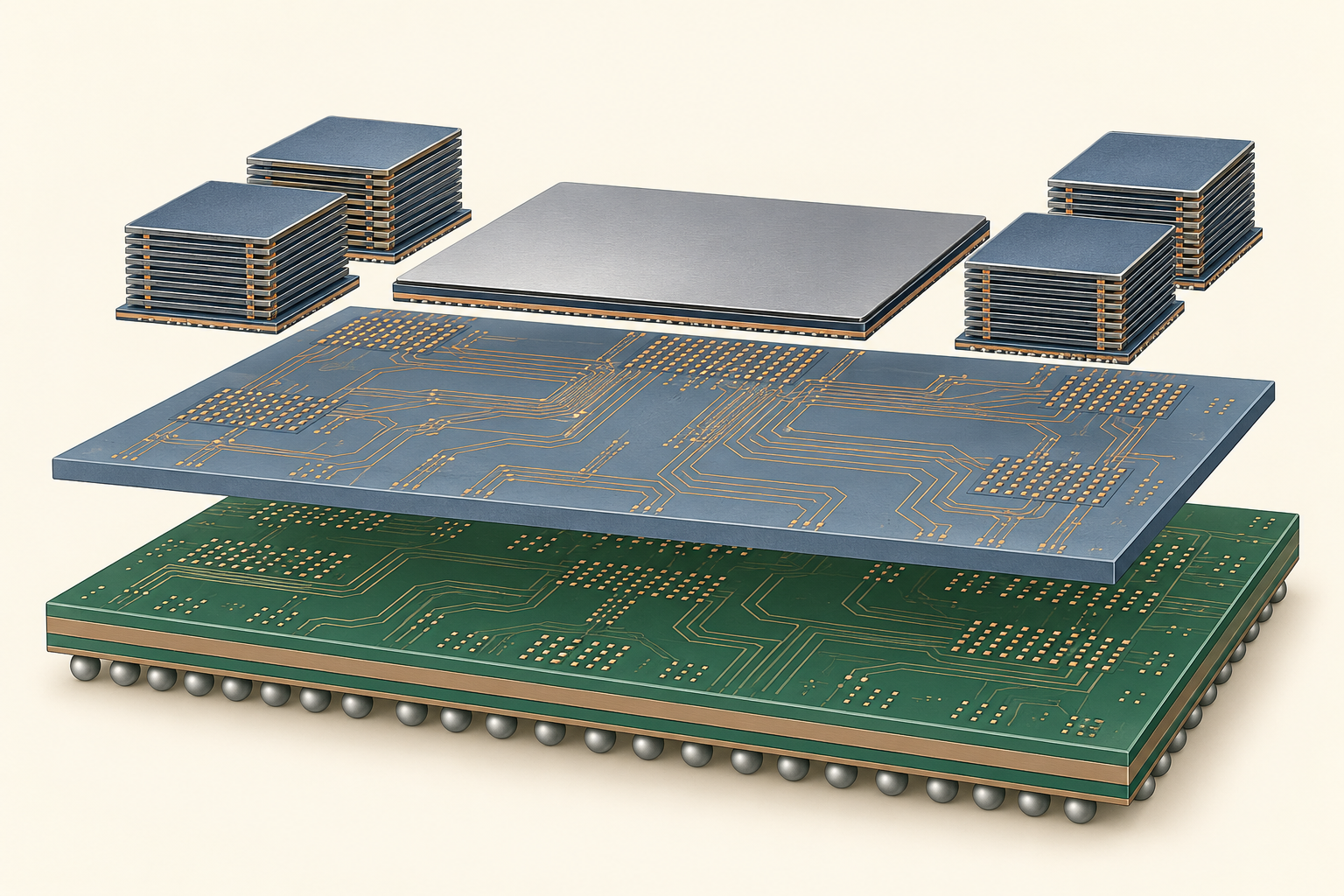
TSMC’s CoWoS platform integrates logic chips and high-bandwidth memory within a package. In CoWoS-S, a large silicon interposer provides dense electrical connections between those components. That connection layer helps a collection of separate chips function as a high-performance system.
CoWoS also encompasses other architectures. CoWoS-R uses an interposer made from polymer and copper redistribution layers, while CoWoS-L combines redistribution layers with local silicon interconnects. GF’s announcement does not identify the specific CoWoS variants its new supply will serve. Treating every CoWoS package as the same manufacturing opportunity would therefore be misleading.
For an AI hardware buyer, the practical issue is how many complete, working packages can be delivered. Additional logic-chip production has limited value if a required packaging component is unavailable. Securing interposer supply addresses one dependency in that larger production equation.
The business logic of partnering
The commercial rationale, in our reading, is straightforward. A specialised supplier that consistently delivers compatible parts at predictable yields and lead times can make an entire packaging operation easier to scale. TSMC can expand access to an essential input through a manufacturing partner, while GF can build a business around the requirements of an established packaging platform.
There is an important qualification. A new supplier can increase flexibility, but integrating that supplier also adds coordination work. Manufacturing specifications, testing and production schedules have to line up. The relevant advantage is reliable output that can actually enter customers’ products.
For GF, the agreement offers a potential basis for planning equipment, staffing and production around a substantial customer relationship. Its eventual profitability will depend on the resources required to deliver the work and how efficiently the new capacity is used.
The US$2 billion figure describes the announced agreement. The release does not provide an annual revenue schedule, a margin estimate or a capital-expenditure breakdown. The headline value alone cannot establish when revenue will be recognised, how profitable it will be or what GF must invest.
The geographic benefit is similarly specific: another packaging input would be manufactured in the United States. Completing an AI package still requires other components and production stages. The announcement establishes no end-to-end US manufacturing route.

The test begins in 2028
The ramp timetable makes this a medium-term industrial commitment. Customers evaluating supply for future products should look for evidence that the manufacturing plan is becoming qualified, usable capacity. An announced start date is only the beginning of that assessment.
A useful first test is whether GF and TSMC report qualification and production milestones consistent with the planned ramp. Once production starts, the stronger evidence would be repeatable output that meets customer requirements. A factory can install equipment before it can reliably deliver commercially useful parts.
The second test is economic. Future disclosures on investment, utilisation and revenue contribution would help establish whether the relationship produces attractive returns for GF. For TSMC, the relevant question is whether additional interposer supply improves delivery flexibility without introducing new production friction.
Technology choices will also matter. Because CoWoS includes different interconnect approaches, demand for AI compute alone cannot establish demand for a particular interposer process. The business becomes more defensible if GF’s manufacturing capability continues to match the packages customers choose.
FUVISIGHT’s view is that this agreement highlights a wider opportunity for specialised manufacturing inside the AI supply chain. That view would strengthen with an on-schedule, qualified ramp and repeat demand across product generations. Persistent qualification delays or capacity that fails to match package requirements would weaken it. The headline establishes the ambition; production will establish the value.